The Human Decisions That Gave Traditional Card Rooms Their Character
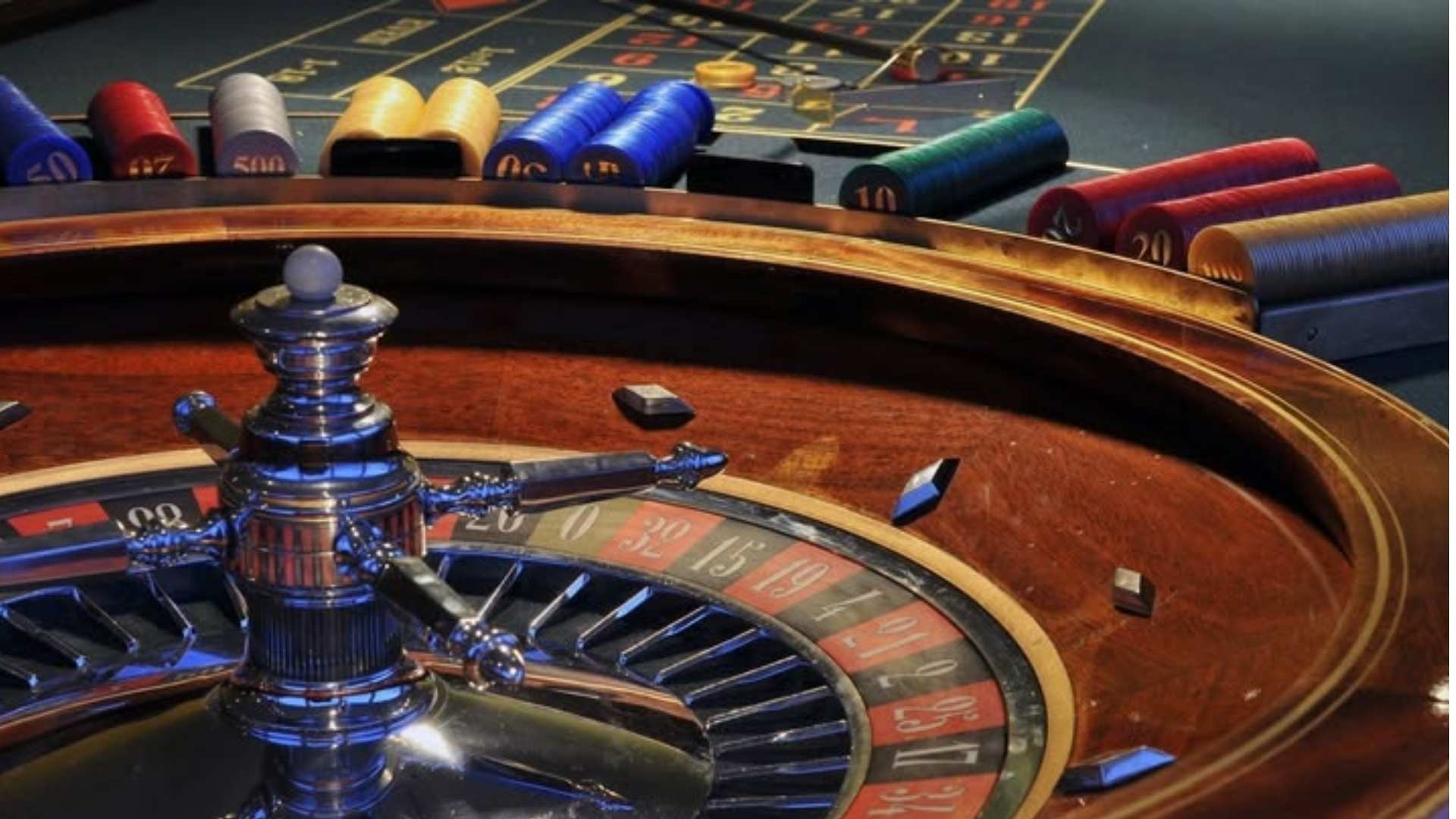
The unique atmosphere of historic card rooms was rarely an accident of architectural design or random luxury. Instead, the distinctive character of these traditional spaces emerged from deliberate human choices made by the organizers and the participants who gathered around the tables. By establishing distinct localized protocols and interactive duties, early gaming houses created an environmental charm that modern automated platforms continuously try to replicate.
The Shared Accountability of Manual Operations
Before corporate institutions fully managed casino floors, table mechanics relied entirely on direct player cooperation and trusted croupiers. Seating arrangements and manual dealing procedures required absolute concentration, meaning that every participant had a direct hand in managing the physical flow of the game. This collaborative arrangement prevented the environment from becoming isolated, turning every single round into a deeply engaging social ritual.
Dealers were valued not just for their mechanical speed, but for their ability to maintain table decorum and resolve complex disputes with complete diplomacy. Their physical actions and verbal cues established an unwritten rhythm that allowed players to feel a sense of collective security. This deep level of human oversight ensured that the table remained an intellectual battleground rather than a place of passive chance.
How Spatial Choices Shaped Psychological Dynamics
The physical layout of traditional card salons was carefully planned to optimize visibility and heighten the emotional tension between opponents. Seating placement directly dictated the volume of environmental data available to a player before they had to finalize an active strategic choice. Choosing a specific position relative to the dealer was the first major tactical calculation an individual would make during a session.
This spatial arrangement forced players to interact face-to-face, turning physical gestures and timing habits into critical pieces of actionable intelligence. Modern enthusiasts who wish to experience the digital evolution of these highly structured table environments can try an m88下载 to explore various contemporary setups. These digital platforms successfully retain the classic card-comparing core while using modern systems to streamline the overall gaming experience.
The Shifting Burden of Table Financial Risk
Another fascinating aspect of older card rooms was how the financial responsibilities were distributed directly among the table participants. In early European variants, the role of the banker was a rotating privilege that required an individual to challenge the rest of the room using personal capital. This specific operational rule altered the psychological baseline, demanding immense emotional discipline from whoever held the bank.
Because the house did not assume total corporate liability for every wager, the dynamic between players remained highly competitive and deeply personal. Participants had to continuously evaluate the financial health of their peers, which created unique social bonds built on mutual vulnerability. This traditional system highlights how early entertainment traditions prioritized community engagement over pure transaction velocity.
Preserving the Intangible Heritage of Classic Salons
The enduring legacy of historic card rooms lies in their ability to balance rigorous mathematical structure with profound human interaction. While modern casino layouts often prioritize rapid automated outcomes, studying older traditions reveals a time when individual character dictated the room. Understanding these ancestral customs provides global enthusiasts with a much more balanced perspective on modern gaming trends.