Mobile Games That Reward Quick Decisions
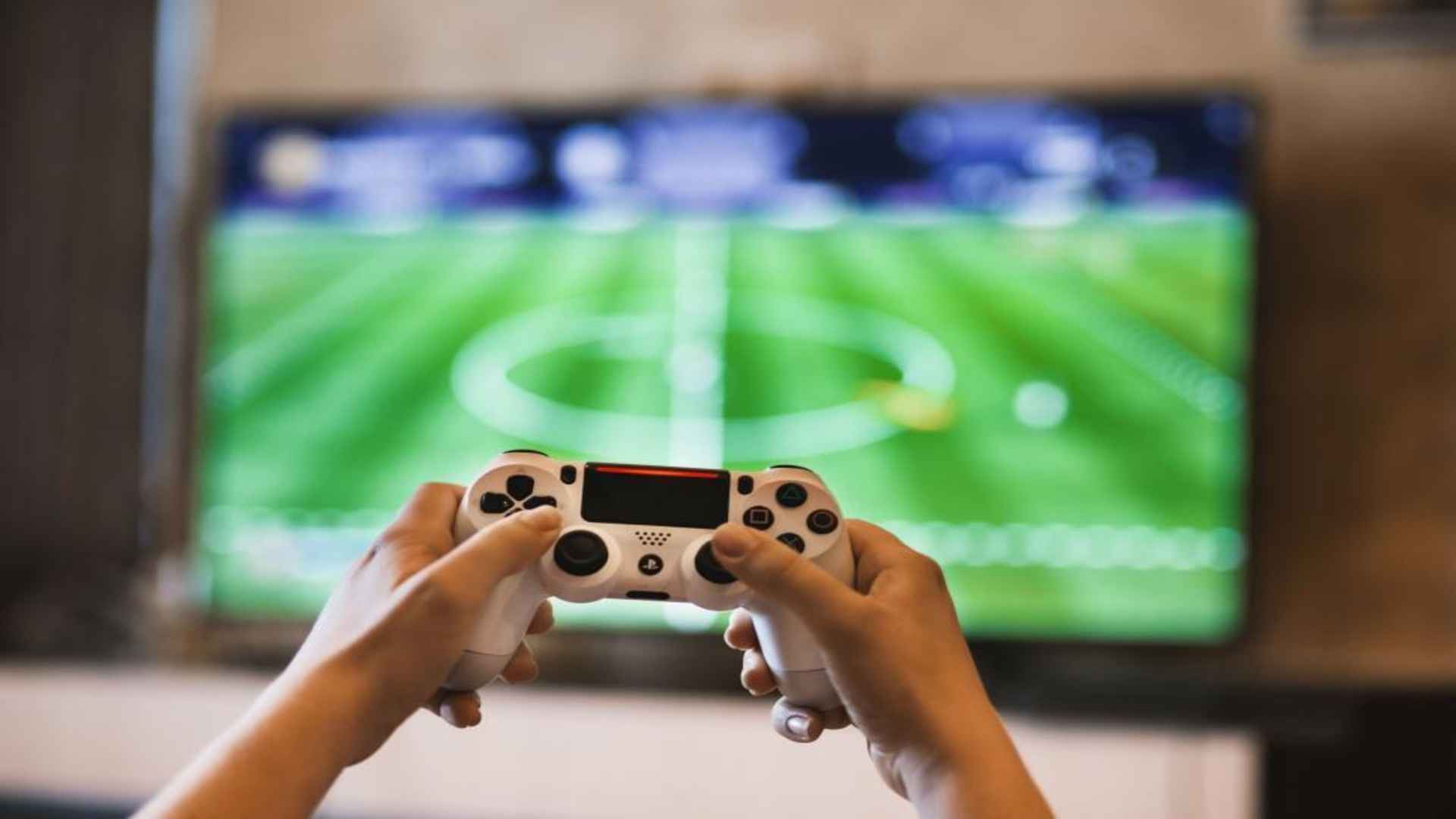
The mobile gaming industry has evolved into a space where lightning-fast reflexes and split-second cognitive processing are the primary drivers of success. Players are no longer just tapping screens for leisure; they are engaging in intense digital environments that demand immediate analysis and execution. These titles provide a unique form of satisfaction by rewarding those who can maintain composure under immense time pressure.
The Psychology of Rapid In-Game Choices
Quick decision-making in mobile games triggers a dopamine response that reinforces efficient neural pathways. When a player successfully navigates a high-speed obstacle or selects the right ability in a fraction of a second, the brain treats this as a significant achievement. This mental exercise can help improve peripheral vision and overall situational awareness over time.
Developers design these experiences to be increasingly difficult, forcing the mind to adapt to faster stimulus intervals. This constant challenge ensures that the gameplay remains engaging and prevents the experience from becoming repetitive or stagnant. By mastering these rapid cycles, players often find their cognitive stamina improving across various digital genres.
Competitive Advantages of Fast Thinking
In competitive multiplayer arenas, the difference between victory and defeat is often measured in milliseconds. Players who can anticipate an opponent's move and react accordingly gain a massive tactical advantage. This environment cultivates a mindset where hesitation is the greatest risk to a successful outcome.
Strategic depth is added when games require users to manage resources while simultaneously reacting to physical threats. Accessing a secure m88 link allows enthusiasts to explore platforms that prioritize these high-stakes, skill-based interactions. These competitive spaces ensure that every micro-decision contributes directly to the final leaderboard standing.
Reward Structures for High-Speed Proficiency
Incentive systems in these games are often tied to precision and timing, offering higher scores for actions completed within tight windows. Bonus multipliers and unique unlocks are frequently granted to those who can maintain a perfect streak of rapid responses. This creates a clear hierarchy based on mechanical skill and mental agility rather than just time spent playing.
Many modern titles also incorporate daily challenges that focus specifically on speed-running or survival under pressure. These events encourage players to refine their motor skills and develop muscle memory for complex input sequences. Achieving top-tier rewards in these modes serves as a badge of honor within the broader gaming community.
Balancing Accuracy with Speed
While speed is essential, the most successful gamers are those who can maintain accuracy during chaotic moments. Rushing an input often leads to critical errors that can negate all previous progress in a competitive match. Learning when to act instantly and when to wait a fraction of a second is a hallmark of elite gameplay.
This balance requires a deep understanding of game mechanics and the specific physics of the digital environment. As players become more comfortable with the controls, their ability to execute precise maneuvers at high speeds becomes second nature. This mastery is what separates casual participants from those who consistently dominate the high-score charts.
The Future of Reaction-Based Mobile Gaming
Advancements in mobile hardware and lower latency connections are paving the way for even more responsive gaming experiences. We are seeing a shift toward hyper-competitive titles that utilize advanced sensors to track player movements with incredible detail. This technological leap will allow for even more nuanced reward systems based on physical and mental speed.
Future developers are likely to integrate augmented reality features that challenge players to react to their real-world surroundings in real-time. This blend of physical movement and digital rewards will redefine how we perceive the intersection of exercise and entertainment. The demand for games that challenge the limits of human reaction time shows no signs of slowing down.